

Medical Malpractice Leads demand precision beyond general injury intake. These cases involve hospital records, provider responsibility, deviation from accepted standards of care, causation analysis, and injury documentation that support claim evaluation. At Pearl Lemon Leads, we provide Medical Malpractice Leads that are screened with clinical and legal rigor suitable for Indian medical and legal frameworks. Our approach emphasises intake accuracy, document readiness, and cost discipline so teams receive submissions prepared for professional review.
In India, many medical negligence enquiries fail at intake because the collected information is incomplete or poorly structured. Provider roles are unclear. Treatment timelines are vague. Injury outcomes are unsupported. Our Medical Malpractice Leads systems resolve these weaknesses before claims reach your team. This reduces review friction and allows staff to focus on cases that warrant deeper analysis.
Our Medical Malpractice Leads services are designed for incidents involving hospital negligence, surgical complications, delayed diagnosis, birth injuries, medication errors, and long term care failures. Each service targets specific intake gaps commonly affecting malpractice claim acceptance in India.
Medical malpractice claims require plausible deviation from accepted care. We implement intake logic that screens for provider type, care setting, treatment purpose, and alleged failure category. Claimants answer structured questions about missed diagnosis, procedural errors, medication issues, or post treatment decline.
This screening removes submissions based on dissatisfaction alone. Teams handling Medical Malpractice Leads in India often report fewer cases rejected after initial professional review. Claims reach attorneys with clearer allegations suitable for record evaluation.

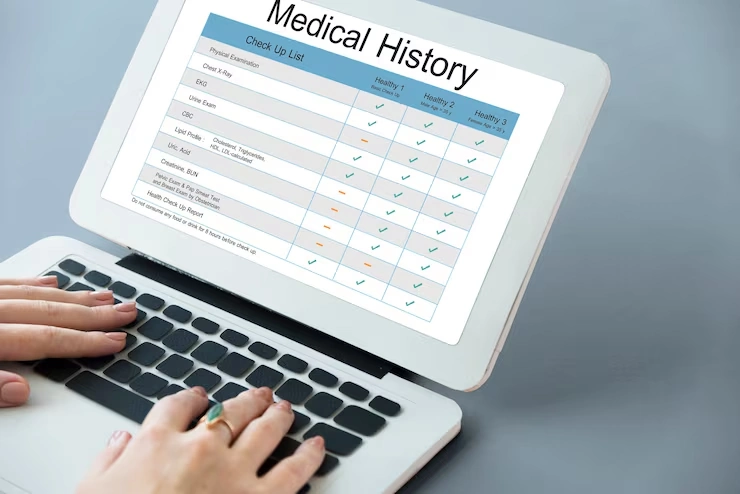
Causation is a frequent reason claims fail. Our intake system captures detailed treatment timelines including initial presentation, diagnostic steps, interventions, follow up care, and symptom progression. Delays or inconsistencies are flagged to highlight potential weaknesses in the negligence argument.
This approach improves Medical Malpractice Leads quality by indicating whether timing supports or undermines claim evaluation. Teams gain early insight before investing in expert review.
Not all medical errors justify legal follow up. Our system captures injury severity, additional procedures, permanent disability, functional loss, or fatal outcomes. Minor or temporary effects are clearly marked.
This allows prioritisation of Medical Malpractice Leads that meet internal standards. Intake teams spend less time reviewing submissions that lack substantive impact.
Standard contact forms are insufficient for malpractice claims. Our intake forms collect provider names, facility locations, treatment dates, consent acknowledgment, and record availability. Conditional logic maintains usability while capturing essential legal details.
This structure improves data completeness across Medical Malpractice Leads and reduces repeated follow up with claimants. Evaluation begins with context clarity.


Medical negligence intake involves sensitive health information. We implement clear consent language, disclosure records, and timestamp documentation aligned with Indian regulations. Each lead includes documented consent stored alongside intake responses.
This supports compliant follow up and reduces disputes related to outreach or data handling.
Claims require informed follow up. We configure routing rules that assign Medical Malpractice Leads to appropriate staff based on injury severity, care setting, or provider type. Routing accommodates workflows involving senior intake specialists or nurses.
Prompt, informed conversations increase cooperation during record collection. Delivery systems support timely engagement without overwhelming teams.
Medical malpractice acquisition becomes costly if performance is measured by volume alone. We track spend against qualified submissions and cases accepted for review. Rejection reasons are logged to identify recurring intake gaps.
This provides visibility into which sources produce actionable Medical Malpractice Leads in India.


Standards of care differ by specialty and region. Our intake logic adjusts for surgical, obstetric, emergency, and long term care claims. Regional requirements, such as pre suit notices or review panels, are flagged early.
This allows teams to manage Medical Malpractice Leads across multiple practice areas without inconsistency or confusion.
Our intake process is designed for legal teams throughout India. The current page only identifies one physical office location, so additional service areas should be verified before publication.
At Pearl Lemon Leads, we pride ourselves on delivering outstanding lead generation results that transform businesses. But don’t just take our word for it—hear what our satisfied clients have to say about their experience working with us and the success they’ve achieved.


Mumbai
Client
Mehta Legal Chambers
Location
New Delhi
Challenge
The firm was receiving a growing number of medical negligence enquiries, but many submissions lacked essential details such as treatment history, hospital information, and supporting documentation. This created delays during the initial assessment stage.
Solution
We implemented:
Outcome
Client
Nair Healthcare Litigation Associates
Location
India
Challenge
The firm managed multiple categories of medical claims, including surgical negligence, birth injury matters, and delayed diagnosis cases. Each practice area used different enquiry collection methods, creating inconsistent review processes.
Solution
We created:
Outcome
Medical malpractice enquiries require accurate information before legal review begins. Our intake process captures provider details, treatment timelines, consent records, injury information, and case-specific details in a structured format.
We collect essential information including provider type, treatment history, alleged negligence details, injury severity, and medical record availability before delivering enquiries.
Each submission includes documented consent and timestamp records, helping legal teams maintain organised enquiry records.
Screening questions, qualification criteria, and routing preferences can be customised to match your firm’s review process and practice areas.
We support medical malpractice enquiry campaigns across North, South, East, and West India from our listed office location in Jasola Vihar, New Delhi.
Pricing is discussed based on your firm’s requirements, enquiry volume, targeting preferences, and workflow needs.
A usable lead includes identifiable providers, defined treatment events, a plausible care failure, and injury supported by medical intervention. Leads should meet filing criteria rather than reflect dissatisfaction.
Yes. Intake logic distinguishes hospitals, physicians, surgeons, nursing facilities, and outpatient providers.
Claimants provide information about records, facilities, and consent status. Availability is flagged within each intake file.
Yes. Surgical, obstetric, emergency, and long term care claims each require different screening logic.
Leads are routed immediately according to rules defined by the firm and align with existing workflows.
Yes. Every lead includes consent language, timestamp, and source reference.
Yes. Intake volume and screening depth can be adjusted according to internal review capacity.
Medical Malpractice Leads should support professional decision making rather than overwhelm intake teams. When screening logic, data capture, and delivery work together, firms gain insight into which claims deserve attention.
If current intake produces uncertainty rather than actionable cases, it may be time to review the structure behind it. Bring discipline and clarity to your medical negligence intake.

Don’t let competitors take the lead. Our proven cold email, LinkedIn outreach, and appointment setting strategies drive high-converting leads. Let’s grow your customer base—before they do.